
SS3 LITERATURE in English
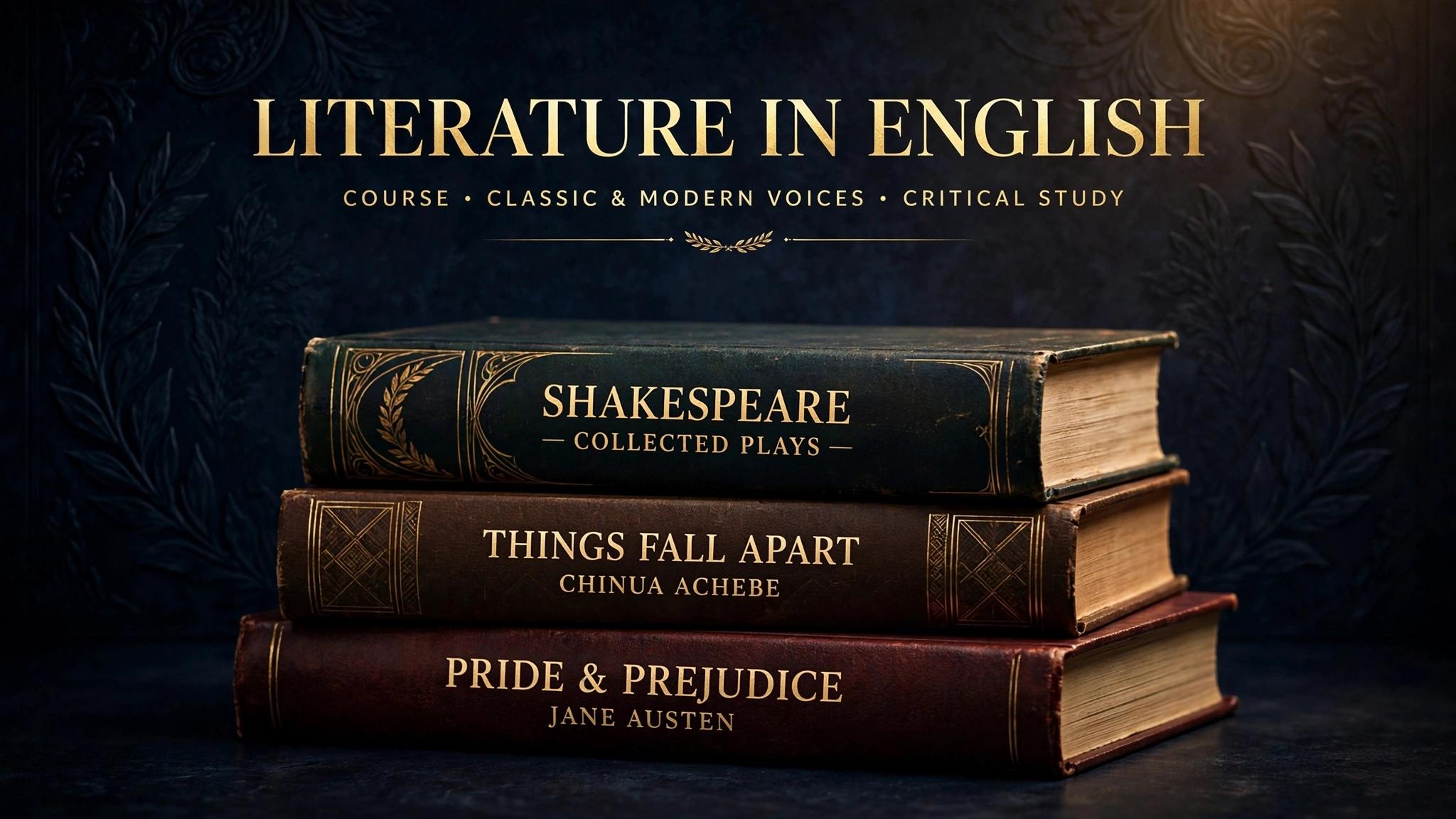
This course introduces students to the study, appreciation, interpretation, and critical analysis of African and non-African prose, poetry, and drama. Students explore prescribed literary texts while developing a deeper understanding of themes, plot, characters, setting, conflicts, language, style, tone, mood, symbolism, imagery, figures of speech, and other literary techniques. The course exposes learners to diverse cultures, experiences, values, social issues, and human relationships represented in literature. Through close reading, discussions, text-based questions, quizzes, assignments, and examination-style activities, students learn to support interpretations with relevant textual evidence and express their ideas clearly. Particular attention is given to African literature and its cultural context, as well as the comparison of literary works from different backgrounds. The course also develops students’ critical thinking, creativity, analytical skills, vocabulary, appreciation of literary artistry, and ability to evaluate writers’ techniques and purposes. It prepares learners for Senior Secondary and external examinations while fostering a lasting appreciation of literature as a means of understanding society, culture, human behaviour, and the world around them.
Meet Your Instructors

What you'll learn
- Identify and explain major themes, characters, settings, plots, and conflicts in literary texts.
- Analyse African and non-African prose, poetry, and drama critically.
- Recognise and interpret literary devices such as imagery, symbolism, irony, metaphor, personification, and alliteration.
- Examine how language, style, tone, and structure contribute to meaning.
- Interpret poems and explain their themes, messages, mood, and poetic techniques.
- Evaluate characters’ actions, relationships, development, and motivations using textual evidence.
- Compare and contrast literary works, characters, themes, styles, and cultural perspectives.
- Relate literary texts to relevant social, cultural, moral, and historical issues.
- Demonstrate critical thinking, effective communication, and appreciation of literary creativity.
What's Included
- Develops critical thinking and analytical reasoning.
- Improves reading and comprehension skills.
- Strengthens essay and examination-writing skills.
- Promotes cultural awareness and appreciation of diverse perspectives.
- Improves communication and self-expression.
- Encourages empathy through exposure to different human experiences.
- Creates a deeper appreciation of literature and its connection to society and everyday life.