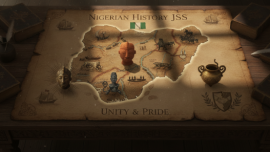
ECONOMIC ACTIVITIES BETWEEN CENTRALIZED STATE AND NONE CENTRALIZED STATES
WEEK 2: Economic Activities Between Centralized and Non-Centralized States
Discover how pre-colonial Nigerians lived and traded. This lesson explores agriculture, local crafts, old currencies, and local markets in both centralized states like Hausa, Oyo & Benin and non-centralized states like Igbo, Tiv & Ijaw.
This week, we examine the economic life of pre-colonial Nigeria and how it connected different societies.
You will learn about:
Agriculture: How our people grew common crops like yam, millet, and cassava using simple tools like the hoe, and methods like shifting cultivation and bush fallowing.
Local Crafts: The skilled works of blacksmithing, weaving, pottery, and wood carving that sustained communities.
Currency and Trade: The forms of money used before modern money - cowrie shells, manilla, iron bars - and the practice of barter.
Local Markets: How markets were organized on fixed market days and how prices were set through haggling.
This lesson shows that despite political differences, economic activities like farming, crafts, and trade were common to both centralized states (Hausa States, Oyo, Benin) and non-centralized states (Igbo, Tiv, Ijaw), creating a common economic unity.
What You Will Learn:
Describe the main agricultural activities and local crafts in pre-colonial Nigeria
Explain the forms of currency used before modern money
Describe how local markets were organised
Relate economic activities to the centralized and non-centralized states
No Comments Yet