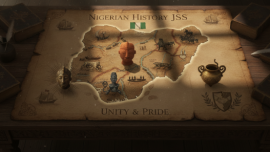
WEEK ONE : INTER GROUP RELATIONSHIP AMONG CENTRALIZED AND NONE CENTRALIZED STATES
Topic: Inter‑Group Relations Among Centralized and Non‑Centralized States
NERDC Curriculum Theme: Nigerian Peoples and Cultures (Pre‑Colonial Societies)
By the end of this lesson, students should be able to:
Define centralized and non‑centralized states in simple terms.
Identify examples of centralized states (Hausa, Kanem‑Bornu, Oyo, Benin) and their rulers (Sarki, Mai, Alaafin, Oba).
Identify examples of non‑centralized states (Igbo, Tiv, Ijaw, Ibibio) and explain their governance systems (councils, kindred groups, war canoe houses, secret societies).
Compare centralized vs non‑centralized systems – differences in power, decision‑making, and leadership.
Explain five forms of inter‑group relations: trade, inter‑marriage, cultural exchange, diplomacy, and conflict.
Discuss how these relations promoted unity and laid the foundation for Nigeria before 1914.
Introduction: Nigeria before amalgamation – diverse groups living independently but connected through trade, marriage, and culture.
Centralized States: Strong kings, organized armies, taxation, and large territories. Examples: Oba of Benin, Alaafin of Oyo, Sarki of Hausa, Mai of Kanem‑Bornu.
Non‑Centralized States: No single ruler, power shared among elders, age‑grades, and families. Examples: Igbo councils, Tiv kindred groups, Ijaw war canoe houses, Ibibio Ekpo societies.
Comparison: Centralized = quick decisions, top‑down rule. Non‑centralized = slower decisions, consensus rule.
Inter‑Group Relations:
Trade (salt, kola, palm oil, yams, bronze).
Inter‑marriage (alliances, peace).
Cultural exchange (festivals, crafts, farming methods).
Diplomacy (treaties, messengers, tributes).
Conflict (land, water, trade routes).
Interactive discussions (e.g., “Does your town have a king or council of elders?”).
Case studies of Benin, Oyo, Hausa, Kanem‑Bornu, Igbo, Tiv, Ijaw, and Ibibio.
Group work activities (Kings, Councils, Traders, Diplomats).
Quiz practice to test recall of rulers, governance systems, and trade items.
Take‑home assignment: Interview grandparents about traditional governance and trade in their community.
Students will:
Understand the difference between centralized and non‑centralized states.
Recognize the importance of rulers and councils in pre‑colonial Nigeria.
Appreciate how trade, marriage, and diplomacy built unity among diverse groups.
Be able to explain how these interactions shaped Nigeria before colonial rule.
No Comments Yet